Showing posts with label Versatility of German Shepherd Dogs as Working Dog Breed. Show all posts

Sunday, March 5, 2023

Herding - The German Shepherd Dog Way vs The Collie Way


When it comes to the task of moving sheep or cattle from one location to another, various breeds of herding dogs exhibit distinct herding styles. The differences in herding styles among various breeds of herding dogs may have been influenced by various factors, such as the specific requirements of the shepherds and the unique setups or conditions of the agricultural area where they are raised to work. As a result, there are herding dog breeds that utilize tactics such as running and barking, nipping at the heels of the animals, and even walking on the backs of sheep.


Sneak Peak of Herding - What do we actually mean by herding when it comes to working dog in action?


In this context, herding refers to the practical work performed by farm dogs, which includes tasks such as "gathering", "moving", and "sorting" sheep. These tasks are essential to the operation of a farm and require the specialized skills and abilities of herding dogs.


There are two primary methods of herding livestock: "Fetching" & "Driving" and "Tending".


Fetching & Driving Methods - Exhibited Mostly by Collies


"Fetching" involves bringing the sheep towards the handler; while "Driving" involves pushing them away. When a dog is sent into a field to round up the stock and bring them to the handler at the gate, this is an example of the "Fetching method". When a dog is used to push dairy cattle out of the milking barn and towards their pasture, this is an example of the "Driving method".


American Kennel Club's herding program includes three courses - Course A, Course B and Course C. The dogs that use either the fetching or driving methods are entered for the trial into either the Course A or Cousrse B. This is where Collies are introduced mostly, because Collies usually are bred and trained for "Fetching" and "Driving".


Tending Methods - Exhibited Mostly by German Shepherd Dogs


"Tending" is a distinct type of herding (very much different from Fetching & Driving), that involves using dogs to move, feed, and protect a flock. In the past, breeds like German Shepherds, Belgians, and Briards were used for tending, which involved moving, feeding, and protecting flocks. Before the industrial revolution, tending was a full-time occupation that required daily movement of sheep to various grazing areas, such as harvested or vacant fields, government land, or roadsides, where there was available grass. Rather than using fences to contain the sheep, the dogs were responsible for keeping the flock together and protecting them from predators by patrolling a boundary, whether it was natural or man-made. In addition to protecting the flock from predators and keeping them together, the dog also ensured that the sheep did not graze or wander into other areas/farm lands. At the end of the day, the dog gathered the sheep out of the pasture and followed the shepherd, leading the flock home for the night.


Tending dogs compete on the Course C in the American Kennel Club's herding program, where typically German Shepherd Dogs (not Collies) are entered to compete in the trials.


Now that we know about the different formats of herding. Let's get into a vivid details of herding styles - The GSD way and The Collie way. The herding style of German Shepherd Dogs is particularly distinct from the style followed Collies - because the purpose are different; hence the tasks are different; therefore the ways are naturally different.


Herding - The German Shepherd Dog Way


German Shepherds do not gather sheep into a flock or employ the "EYE" technique to control or separate them, unlike Collies.


The Tending style of sheep herding involves training the sheep to respond to the shepherd's calls and follow him to new pastures. Meanwhile, the dogs act as a living fence, ensuring that the sheep remain within the boundaries set by the shepherd.


Controlling a large flock of sheep with just one or two dogs is no easy feat. In Germany, the flocks that were observed had an average size of near about 500 sheep or even more, at times. The dogs are responsible for preventing the sheep from entering the farming lands, having fresh vegetables or plants, which can be the most challenging tasks for the dogs, especially if the sheep are hungry or have been eating dry stubble for an extended period. Therefore, the dogs' only way of maintaining control is by nipping/grabing/biting/gripping the sheep - especially the stubborn ones.


Herding - The Collies Way


Collie exhibits a different style from GSD. Border collies will stare intently at the sheep, "giving them eye." So, What does "giving eye" means in Collie? What does the border collie accomplish from giving eye to the sheep?


The term "giving eye" in the context of border collies and herding refers to the dog's intense gaze, which is used to control the motion of the sheep. The border collie's stare can be quite intimidating to the sheep and can prompt them to move in the direction that the dog desires.


Border collies typically use a herding techniques, including giving eye, stalking, and chasing, and may occasionally nip, especially when managing stubborn sheep. However, the nipping/gripping is usually not very hard. It is generally considered inappropriate for herding dogs to exhibit the grab/bite behavior commonly observed in cattle heelers.


However, nipping/biting/gripping is consider it a significant fault in both breeds, because the herding as a purpose doesn't including the sheep being hurt.


The Herding program by the American Kennel Club involves tests and trials for herding dogs. The program includes a non-competitive pass/fail format, and the tests are conducted in a fenced arena and require the dog to work with livestock such as ducks, sheep, or cattle. The herding dog must demonstrate its ability to control and move the livestock by either fetching or driving them, while maintaining the appropriate balance point to move the stock forward on the course. The dog must also have sufficient training to perform these tasks. What is important here is that just having a good coformation and endurance ability is NOT enough. The most important factor here is the dog's thinking ability - which is the psychological parameter. Breeding for conformation is, hence, half the task done. Right breeding includes breeding for:


1) Conformation (that contributes to the dog's physical ability to perform the task he is bred for)
and

2) Thinking Ability (that contributes to the dog's psychological ability to perform the task he is bred for)


Read more...

Buzz this

Thursday, May 25, 2017

GSD Looses Popularity as Working Dog


The iconic breed German Shepherd gained an unswerving popularity (especially as one of the most perfect working breed) across the globe especially after the World Wars. Max Von Stephanitz (the father of GSD breed) had high hopes and big dreams with his breed, the World Wars had cast a deep impact on the GSD popularity world wide. Germany was a single country, as we all know, before the beginning of the Cold War. Here's the history in a nut shell of what made the popularity of GSD as a working dog aggressively decline.

Both World Wars I and II had imparted exceptional impact to the working breeds and German Shepherd Dog played the leading part in the world of working dogs. During the World War II, the 4 countries Great Britain, the USA, the UK and the Soviet Union joined hands to occupy the city of Berlin. Berlin was conquered by these four super powers and was split into 4 parts, but it finally bred fresh disputes across the borders. Cold War was written on the card and Germany was divided into two separate countries West Germany and East Germany (Deutsches Demokratische Republik the DDR). Rules of communism had always been worst of its kind in all parts of the world. Communist government used practice strong dominance over the common mass and people could make free trade and share things freely with with the world outside their community. The GSD breeders of East Germany (Deutsches Demokratische Republik the DDR) that is widely known as DDR Line GSD, was victimized by the insane whims of the communist dominance. The DDRL GSD is still considered to have the best working abilities. The DDR Line German Shepherd breeders were compelled to keep their inspirational breeding program within their boundaries, separated from the foreign influence. Gradually a steep decline in the popularity of the GSD as working breed was experienced, as the bloodline was not allowed to be spread out globally. The West German Blood Line is more of show dogs than hardcore working specimens.

Another most significant factor responsible for the popularity of working GSD has been bad breeding. Bad breeding here refers to unscientific breeding, without properly understanding the breed from its within. Breeders have been noticed to be more inclined towards earning money buy breeding show dogs, which are way different from the specimens that are scientifically bred for working. Many novice, yet ardent lovers of this magnificent breed (including me and many I know of) have always ended up with getting in touch with breeders who breeds dogs with head turner beauty, angulated structure, expressive rich tan markings, BUT i no way these dogs can be compared with an original working specimens. We have forgotten that the German Shepherd Dog was bred for working and not exhibiting. Show enthusiasts are found arguing with that shows are for filtering the bad from the breedable stock, and breedable stock comprises dogs that have perfect body structure, angulations, gait, propulsion, size and colors that are looked for in a working GSD. I have agree! I don't deny this fact, but simultaneously I cannot find close resemblance between a real working GSD and those that comprise the breedable stock.

Read more...
Buzz this

Saturday, March 21, 2009

German Shepherd Dogs at Work

German Shepherd Dog has truly earned a great deal of admiration throughout the world. Although he wasn’t bred for the many purposes that he is serving these days, but he has proved to be the most able candidate of all dog breeds. This is probably because of his effectiveness and multi-tasking ability that German Shepherd Dog breed has marked his name as one most versatile dog breed in the world. Quite a lot courageous than most dog breeds, German Shepherd Dog has an impressive protective instinct that is one most fruitful component of a true working dog.

“Utility is the true criterion of the breed,” was the watch words of Captain Max Von Stephanitz, who created the breed not just to create a gorgeous looking dog, but to create a true working dog breed that would assist the shepherds to herd sheep. Keeping the work of herding sheep intact, German Shepherd Dog has proved to be really priceless in departments like police, drug detection, sentry, guarding and even medical too! Although some other dog breeds like Dobermann Pinschers, Weimeraners, Bouviers des Flandres, Labrador Retrievers and Rottweilers are also used as police dogs, yet GSDs have always topped the list, with their high degree of adaptability and SOUNDNESS OF TEMPERAMENT. Be it on a mob control duty at a tournament or challenging a criminal with weapons or on duty of searching for a lost kid. German Shepherd’s working ability has been tested on wide range of operations – as diverse as objectives

German Shepherds as Service Dogs


German Shepherds are wonderful service dogs… beyond doubts. In many countries theses days German Shepherd dogs have been in extensive use in patrolling defense organizations. As service dog the tasks include search and rescue (SAR), military, sniffing etc. GSD is trained to "work the furrow", meaning that they will patrol a boundary all day and restrain the animals being herded from entering into or leaving a specific territory.

German Shepherds in Movies

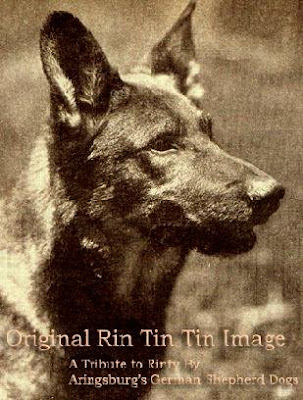
German Shepherd Dog is the first canine breed to step into the world of movies. How can we forget Rin-Tin-Tin, who revolutionized the movie world, by challenging great actors like Charlie Chaplin. Movies by Rin-Tin-Tin are:

  • The Man from Hell's River (1922)rin rin rin german shepherd dogs at work versatile german shepherd dog at work seeing eye dog, service dog companion dog gsd working ability of german shepherds german shepherd therapy dog therapy shepherd dog
  • My Dad (1922)
  • Where the North Begins (1923)
  • Shadows of the North (1923)
  • Hello Frisco (1924)(a 10 minute short)
  • Find your Man(1924)
  • The Lighthouse by the Sea" (1925)
  • Clash of the Wolves (1925)
  • Tracked in the Snow Country (1925)
  • Below the Line (1925)
  • The Night Cry (1926)
  • A Hero of the Big Snow (1926)
  • While London Sleeps (1926)
  • Hills of Kentucky (1927)
  • Jaws of Steel (1927)
  • Tracked by the Police (1927)
  • A Dog of the Regiment (1927)
  • A Race for Life (1928)
  • Rinty of the Desert (1928)
  • Land of the Silver Fox (1928)
  • The Famous Warner Brothers Dog Star (1928)
  • The Million Dollar Collar (1929)
  • Frozen River (1929)
  • The Show of Shows (1929)
  • Tiger Rose (1929)
  • The Man Hunter (1930)
  • On the Border (1930)
  • Rough Waters (1930)
  • The Lone Defender (1930)
  • The Lightning Warrior (1931)
More movies was made featuring the progenitors of Rin Tin Tin: Rin Tin Tin Jr, Rin Tin Tin II, Rin Tin Tin III, Rin Tin Tin IV, Rin Tin Tin VI, Rin Tin Tin VII, Rin Tin Tin VIII

German Shepherds as Drug Detection Dogs

German Shepherd Dogs have also been used to detect hidden, smuggled drugs that are prohibited. They are smart enough to detect smuggled items from noisy engine cabins of a ship, aircraft hangers, cars etc. GSDs play tremendously active role to fight drug smuggling all over the world.

German Shepherds as Guide Dogs – Seeing Dogs

Alsatian dogs were the first canine breed to be trained as “Seeing Eye” dogs or guide dogs for the blinds. Although many other dog breeds like Labrador Retrievers and mixed breed are performing the task of Seeing Eye dogs, yet GSDs comprise over one-third of the total Seeing Eye dog population across the globe.
German Shepherds as Companion Dogs

A hugely incredible number of German Shepherds are kept as family pets and have earned a great deal of admiration as a versatile companion dog. His popularity as a companion dog led him to reserve his position as the most popular dog breed registered by authorized Kennel Clubs all over the world.

German Shepherds as PAT dogs – Pro Dog Active Therapy Dogs

Along side some of the other breeds, German Shepherd Dog breed have been registered as Pro Active Therapy Dog or simply therapy Dogs. GSDs with steady temperament are taken to old age homes, nursing homes and hospitals by their owners.
German Shepherds as Seizure Alert Dogs

German Shepherd Dogs have also shown stand out dexterity as Seizure Alert Dog. He tops the list of the most able dog breeds that have been trained and tested to warn an impending seizure in an epileptic person. A Seizure Alert German Shepherd Dog goes through a series of actions, which are entirely different from the activities of GSDs in other departments. Actions of Seizure Alert Shepherd includes pawing, running to encompass the victim, rushing close and sitting by the victim, or even barking if necessary.

German Shepherd Dog is a dog for all purposes and for all reasons.

Read more...

Buzz this

Last Year's Most Read Out Posts

Advertise with us

About This Blog

All you need to know about German Shepherd Dogs. Read out what I have to share with you regarding the amazing German Shepherd Dog breed. Are Alsatian dogs and German Shepherd Dogs same? Who was Max Von Stephanitz and What is SV? Also learn a bit more in depth on German Shepherd Dog training tips, German Shepherd puppy care tips, German Shepherd Dog behavior, German Shepherd instinct, German Shepherd Dog standard and history of German Shepherds.

  © Our Blogger Template for Aringsburg's German Shepherd Dogs

Back to TOP