Tuesday, May 30, 2017
Sunday, May 28, 2017
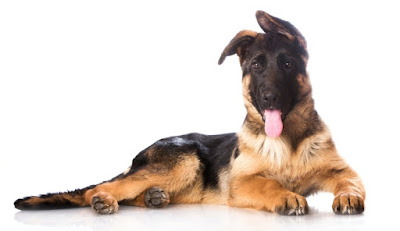
Is GSD The Right Breed For You?
Today's talk about German Shepherd Dog is not aimed at discouraging people about keeping this breed; rather a discussion that is focused on helping you to understand whether they are fit for this breed.
Intelligent, energetic and playful, the GSD breed is one of the most popular dog breed in the world. His origin basically demands it to work outdoor with his master. However, due to his gorgeous look and loyal nature he has found place in bungalows and even in small apartments, making him an great choice for many families. The German Shepherd Dog breed has been blessed with lots of reasons to be one of the most wonderful canines on this planet. However, certain factors have made these animals unsuitable for some people. German Shepherd Dog needs true and consistent commitments. This magnificent dogs demand a lot of time, engagement and space for good grooming. Their comparatively higher degree of intelligence can make it really challenging for novice owners to handle them. German Shepherds have been genetically engineered to be perfect working dogs, and if they are not made to engage in any job they can often times create work for themselves, which can be a real mess and a serious issue of concern for the owners. These dogs are not just for anyone who loves dog. GSD breed demands a constant attention, sound obedience training and right degree of mental and physical stimulation.
Here are a few reasons why GSD may NOT be suitable for you:
1) German Shepherds had been originally bred for working as a herding dog, which is why they have very high energy level with ready to work character trait. It is important that their energy needs to be burnt and to the correct extent. They need to be given proper trotting. Large area to run around is one of the major necessities.
2) German Shepherds shed profusely twice a year and over moderately all through the year. It is a necessity to brushing them almost daily. If you r any member of your family are allergic to fur, it is recommended not keeping a German Shepherd.
3) This breed is susceptible to many genetic disorders such as Hip Dysplasia, Elbow Dysplasia, Panosteitis, Osteochondrosis Dissecans (OCD), von Willebrands Disease, Bloat, Degenerative Myelopathy, Subaortic Stenosis, Enlarged Heart, Digestive Tract Disorder etc. Studying the blood line properly is of utmost significance. Although selective breeding has paved the way to eliminate some of these problems, backyard breeding by novice owners is still contributing to these issues in the breed. However, many other canine breeds especially the large ones are also prone to some of these conditions. Read out in-depth discussion on German Shepherd Dog health disorders.
4) German Shepherd is a large breed that requires a good amount of space. Space is one of the reasons that most GSD lovers usually the apartment dwellers have to de-list this breed from the list of the best dog breeds.
5) Grooming Especially bathing a double coated large dog like GSD is a real big challenge. Use a shampoo that is made for dogs; remember that the body pH of a dog is a lot different. It is important to properly rinse out the soap and shampoo and then and drying the coat. German Shepherd Dog usually does not require frequent bathing, provided he is kept on good food, regular brushing and in proper place. Regular (if possible daily) brushing keeps his coat free from tangles and mats.
6) Proper Socialization and obedience training It is mandatory that your German Shepherd should be put to proper obedience training session. Without a proper training keep a GSD can be harmful both for you and your dog. Socialization is another most important for any canine more so for large dogs like GSD. And unsocialized German Shepherds can turn out to be a real menace for you and your family.
German shepherd is a breed that demands additional commitment and care. These dogs require daily interaction, personalized attention, firm handling and correct training and socialization in order to have a well-adjusted, smooth life with you and your family. Read more...
Thursday, May 25, 2017
GSD Looses Popularity as Working Dog
The iconic breed German Shepherd gained an unswerving popularity (especially as one of the most perfect working breed) across the globe especially after the World Wars. Max Von Stephanitz (the father of GSD breed) had high hopes and big dreams with his breed, the World Wars had cast a deep impact on the GSD popularity world wide. Germany was a single country, as we all know, before the beginning of the Cold War. Here's the history in a nut shell of what made the popularity of GSD as a working dog aggressively decline.
Both World Wars I and II had imparted exceptional impact to the working breeds and German Shepherd Dog played the leading part in the world of working dogs. During the World War II, the 4 countries Great Britain, the USA, the UK and the Soviet Union joined hands to occupy the city of Berlin. Berlin was conquered by these four super powers and was split into 4 parts, but it finally bred fresh disputes across the borders. Cold War was written on the card and Germany was divided into two separate countries West Germany and East Germany (Deutsches Demokratische Republik the DDR). Rules of communism had always been worst of its kind in all parts of the world. Communist government used practice strong dominance over the common mass and people could make free trade and share things freely with with the world outside their community. The GSD breeders of East Germany (Deutsches Demokratische Republik the DDR) that is widely known as DDR Line GSD, was victimized by the insane whims of the communist dominance. The DDRL GSD is still considered to have the best working abilities. The DDR Line German Shepherd breeders were compelled to keep their inspirational breeding program within their boundaries, separated from the foreign influence. Gradually a steep decline in the popularity of the GSD as working breed was experienced, as the bloodline was not allowed to be spread out globally. The West German Blood Line is more of show dogs than hardcore working specimens.
Another most significant factor responsible for the popularity of working GSD has been bad breeding. Bad breeding here refers to unscientific breeding, without properly understanding the breed from its within. Breeders have been noticed to be more inclined towards earning money buy breeding show dogs, which are way different from the specimens that are scientifically bred for working. Many novice, yet ardent lovers of this magnificent breed (including me and many I know of) have always ended up with getting in touch with breeders who breeds dogs with head turner beauty, angulated structure, expressive rich tan markings, BUT i no way these dogs can be compared with an original working specimens. We have forgotten that the German Shepherd Dog was bred for working and not exhibiting. Show enthusiasts are found arguing with that shows are for filtering the bad from the breedable stock, and breedable stock comprises dogs that have perfect body structure, angulations, gait, propulsion, size and colors that are looked for in a working GSD. I have agree! I don't deny this fact, but simultaneously I cannot find close resemblance between a real working GSD and those that comprise the breedable stock. Read more...
Sunday, May 7, 2017
Trademark Traits of German Shepherd Dog
German Shepherd is one of the most acclaimed dog breed with a rich working heritage. It is the unparalleled working ability and degree of intelligence that fetched the dog the highest popularity across the globe.
German Shepherds are known for their utility, but the gorgeous appearance with soundness of nerves and unswerving confidence are the main criterion of a well bred specimen. the character traits of German Shepherds can be segregated under 3 broad groups:
- Purely Genetic Traits
- Psychological traits in GSD - Physiologically Based
- Psychological and Genetic Traits
However, as an overview the trademark traits of GSD are as follows:
- Handsome and well-built structure
- Royal and smart gait
- Loyalty and Obedience
- Strong from within (innate strength) and Powerful
- Protective and Natural guard
- Appearance gives an indication of confident
- Intelligence
- Eager to go now attitude
- Hard-working
- Steady of nerve
- Fearless and Courageous
- Easy to train because of high intelligence level
- Friendly with kids
- Best as a companion dog
However, baseline is: GSD is a courageous, assertive, protective, agile and intelligent working breed that has worked with humans for many years in the war fields, police, medical sectors security and as seeing eye dogs. Although most of strong traits in a breed is genetically ingrained, many are still environmentally engineered. Since German Shepherd, as already said, is one of the most intelligent breeds, the influence of lifestyle and behavior of human pack members on a GSD that lives closely with humans is more pronounced and prominent than it is on other breeds like Rottweilers, Collie, Siberian Husky, English Bulldog, Jack Russel Terrier, Shar-Pei, Akita, Tibetan Mastiff etc. Due to its intelligence GSD learns fast and grabs and follow his human partner more efficiently. These environmental traits can vary from dog to dog due to the variation in family types.
Read more...
Tuesday, May 2, 2017
Puppy Socialization Checklist For your German Shepherd
Socialization is an inseparable component when it comes to raising your German shepherd puppy and should be started as early as possible preferably at an age of 4 to 12 weeks. Proper socialization can make your dogs life balanced and calm, because through an extensive process of exposing your dog to a wide range of situations, sights and sounds your dog gains experiences and learn to consider such situations as harmless and not frightening. Socialization is not just for puppies. A dog can be socialized to different situations throughout its life. By socializing your GSD puppy you will help him/ her to respond to the entire range of unusual situations in a friendly manner with a calm temperament.
Why Socializing your GSD puppy?
The main purpose of socialization is to teach your dog how to accept and respond to certain situation that he may or may not come across to frequently in his day to day life. The aim is to develop confidence in your dog so that S(he) doesn't react fearfully in specific situations.
How to socialize your puppy?
Applying force to put your puppy in a situation that daunts him/her is a big NO! Force can only worsen up the thing. If your puppy has already reached the adolescent stage or even over, and yet not been properly socialized you need to technically put him/her into a rehabilitating session to help develop confidence. Very importantly, the process of socializing your dog should be consistent and spontaneous, and it is all about helping him gain confidence not forcing him to stay in situation which s(he) doesn't like or is scared of. It is about exposing your puppy to a wider range of situations. There's not limit wider the range of situations, better it will be for your puppy to lead a balanced life. Socialization is a strategic process to help your dog gain confidence.
Here is a checklist for socializing your German Shepherd puppy
Known and Unknown People
- People (new born, toddlers, children, teens, adults and senior citizens)
- People (males, females and children with umbrellas, helmets, masks, hats, glasses, strollers, wagons, parcels, sack)
- People with disabilities (people on wheelchairs and crutches)
- Men with mustaches and/ or beards
- Bikers, cyclists, skateboarders
- People with unusual movement (drunk and people with disabilities)
- Men, women, teenagers and older children in uniform
- Children playing and running around
- People whom your dog have to meet quite frequently (friends, relatives, family doctors, veterinarians, gardeners, plumbers, electricians, tutors etc.)
- People from different races and ethnic groups
- Huge crowds and gatherings
- Automatic gates and Elevators
- Crowd dancing
- Jammed traffic
- Moving vehicles
- Falling things (broken branches of trees, dried coconut leaves etc.)
- Other animals (other pets, livestock, fowl)
- Water mass (pools, ponds and rivers)
Sound
- Thunder claps and sound of storm and heavy rain
- Huge crowd making noise
- Sound high fidelity speakers
- Honking vehicle horns
- Noise from vehicle engines
- Noise from machines
- Sounds of cracker
- Noise of other animals (larger dogs, cows and buffaloes)
Others
- Stairs
- Terrace
- Vacuum cleaners
- Hair dryers
- Movable electronic toys
These are just a few common situations, sights and sounds, which you should consider socializing your puppy for. There is actually no end to the list. You may consider exposing your dog to as wider range of situations as possible to develop confidence. Socialization is essentially important for many reasons and one of them is dog-bite prevention. Many incidences of dog attacks and bites have been critically scrutinized by canine behaviorists. Lack of socialization has been found to be one very common reason behind most of the unpredictable attacks and bites.
Read more...
Saturday, April 29, 2017
Hydrotherapy Treatment for GSD
Since the ancient times hydrotherapy is considered as an effective treatment for human beings. Documentations have proved that several attempts had been made to formalize the practice of hydrotherapy as a treatment during 18th century.
Until recent times canine experts did not spare thoughts over hydrotherapy as an effective treatment for a number of conditions in dogs especially in the medium to large dogs such German Shepherds, Labrador Retrievers, Rottweillers, Mastiffs etc. Certain conditions in canines - especially in GSD may worsen or may show almost no improvement with exercises that was once considered to be useful. As a good alternative to general treatment through medicines and exercises, "hydrotherapy" is now considered as one of the most effective treatment of such conditions like hip and/or elbow displasia, Osteochondritis Dissecans (OCD), Chronic Degenerative Radiculomyelopathy (CDRM) etc. Degenerative Myelopathy (DM), which is a progressive disease of the spinal cord in older dogs especially found in medium to large breeds can be effectively treated by hydrotherapy. Hydrotherapy treatment has also proved to be quite effective in small breed of dogs having Luxating Patella or floating kneecaps. Modern veterinary science also recommends hydrotherapy treatment to dogs having ligament injuries, obesity problems and any other mobility issues. Significant development can be noticed with this treatment method by employing a professional canine hydro therapist.
Veterinarians and experts considers that swimming or moving in water has favorable therapeutic effects in pre and post surgical rehabilitation, increasing body awareness, developing mental and physical balance and last but not the least, for maintaining general fitness and developing muscle tone.
Read more...
Monday, August 22, 2016
Can Reinforcement Backfire With German Shepherds?
"Behavioral Intervention" is the right phrase to be used when it comes to positive reinforcement to correct undesirable behavior in your dog. German Shepherd is a power breed and any kind of behavioral disorder, however mild it be, needs to be corrected at the very early age.
What is "Behavioral Intervention"?
Behavioral Intervention is a systematic plan engineered for a particular dog to teach the dog to change his or her specific behavior(s). Behavioral Intervention strategies are masterfully designed to target the modifications of specific habits, and simultaneously positively reinforcing the alternative desirable skills in your dog.
Positive Reinforcement, as we also call it Positive Motivation Training is a highly effective and scientific method to shape and/or re-shape your dog's behavior. It involves including a motivational item - "Reward", as we call it, into the training process to motivate the dog to act as desired on command. Canine behaviorists have noticed that food acts as a better motivator than any other motivation factor in a rewards based training process.
In Positive Reinforcement training methods , as a rule of thumb, the reward is presented to the dog after the dog shows the desired behavior, thereby ensuring the particular behavior more likely to be exhibited by the dog in future for same situation(s).
The Behavioral Intervention + Positive Reinforcement have to be very strategic and hugely demands a professional's attention. The reinforcement training methods can immensely backfire if implemented wrongly and unplanned. There's a popular belief that too much of dependence on reinforcement by rewards gets quick results, but not long lasting. This is, however, a myth. Reward based reinforcement training has an everlasting effect if correctly done.
However, Reinforcement Can Backfire
Yes, with novice hands reinforcement training can immensely backfire, leaving your dog with reinforced undesirable habits. Novice trainers and newbies usually fail to identify the most significant points required for an effective Behavioral Intervention Plan. This will certainly backfire and adversely affects your dog’s learning process.
Most importantly, as a trainer you must identify the specific "behavior(s)" that actually need "intervention". In this process many new trainers mistakenly confuse with which specific behavior(s) should be intervene, and how should the Reinforcement Plan be formulated. Thus, many trainers have been noticed to have ended up with reinforcing wrongly, leaving the dog being reinforced on bad behaviors only.
Important points here...
Point - 1: Praise Only Those Accomplishment That Have Been Consciously Accomplished - Not Accidentally Accomplished.
Point - 2: Praising at The Right Point of Time is Important. Dogs Live on Time. Rewarding Your Dog a Few Minutes After The Desired Accomplishment May Have a Different Implication. Therefore, Trainer's Attention is a Mandate.
Point - 3: Motivator (Reward/Praise) Should be a Real Motivator. If The Dog Doesn't Get Motivated With The Reward Used, The the Reinforcement Training Process is Bound to Backfire.
Point - 4: Priorities and Preferences Are Important. Not Every Behavior Needs To Be Treated As Undesirable at a Give Time.
Point - 5: Consistency is the Key To Success. If The Trainer is Inconsistent and Non-Repetitive in Rewarding, Then Reinforcement Won't be Effective, And May Even Backfire, as the Inconsistent Behavior of his Pack Leader (Trainer) Will Confuse Him.
Point - 6: Its Important to Consider Exercises and Socialization as Integral Part of Reinforcement Training. Socialization is Not a Separate Process.
Antecedents and Behavior
The two most significant areas of understanding for a trainer in the process of developing a "Behavioral Intervention Plan" for his subject are:
i. Antecedent(s): Antecedents are the stimuli/stimulus that triggers a specific behavior or a specific set of behaviors in your dog. These stimulus can be certain situations, any specific event(s), any particular person or any indecent. An antecedent can stimulate the dog to exhibit bad as well as good behavior. Therefore, it is important to identify the Antecedent(s) prior to creating a Behavior Intervention Plan. Wrongly identifying the antecedents may lead to incorrect reinforcement in the training process, thus resulting to backfire.
ii. Behavior(s): Behavior is what the dog does being stimulated by an antecedent. An assessment of specific behavior is of utmost importance, because the reinforcement training starts off with identifying the particular behavior that needs to be intervene. A trainer should target one specific behavior at a time rather than targeting a set of undesirable behaviors. This makes Reinforcement Training by Behavioral Intervention more effective and easier. In this process of modifying one single behavior of the dog, a trainer may have to address a set of undesirable behaviors that are collectively responsible for the particular single undesirable behavior, and modify each of them.
Therefore, followed by identifying the Antecedent(s), it is important to identify the other behavior(s) that may be responsible for a particular behavioral issue. Failing to identifying all these correctly the entire Reinforcement Training session may adversely backfire. Read more...
Saturday, August 13, 2016
Why is Dog Ownership Important After Retirement?
Very recently the American Heart Association reviewed studies exploring the correlation between health and dog ownership. The findings concluded that owning a companion dog helps having a controlled blood pressure and healthy cholesterol level. Chances of obesity and developing arthritis decrease due to the need for regular walk.
Dog Ownership and Stress Management
Studies have shown that healthy interactions with therapy dogs effectively mitigate stress in dog owners. As effect of such interactions with companion dogs the humans tend to generate stress-bursting hormone oxytocin and controls the production of cortisol, the stress hormone. This hormonal change helps a stressed out, retired person feel relaxed. Interact with the dogs through physical contacts like hugging and petting them produced better results.
A team of Italian researchers, noticed that introduction of a dog to Alzheimer’s patients showed gradual improvement in the patients' condition.
Live a Purposeful Life After Retirement
As already mentioned above, owning a dog brings in a healthy structure and routine to your daily life.Your dog lives on a natural structure in her everyday life, which is bound to bring in a structured discipline into your life too.Your pet’s dependence on you for everything – starting from the play and walk to food reveals immense opportunity for you to establish a consistent routine as a responsible pet owner in your daily walks of life.Your dog will lick you awake to go for a morning walk, followed up a free play session, and then asking for her meal. This keeps you active throughout the day and helps you feel engaged, responsible and productive after you retire from your working world.
How better can you kick start your day than by waking up with licks and hugs? Retirement should help you find a new way to wake up from your bed each morning. It is very pleasant way to start the day when some million dollar licks awake you up and you like to hug your dog, and find an immediate purpose to get out of bed.
Post Retirement Fitness
A majority of responsible dog owners are dog walkers, who get at least 30 minutes of exercise on an average each morning and evening. Regular walks in the morning and evening are great ways to stay healthy – both physically and mentally. Regular walks will ward off possible health issues like obesity, diabetes type II, hypertension, arthritis and loss of volume and strength of skeletal muscle mass (sarcopenia).
Post Retirement - Mental Fitness and Social Life
Depression is quite common when you are retired from your working life. It pulls you back from meeting friends and going out with acquaintances. Benefits of dog ownership treads its way here. Psychologists say owning a pet – especially during your retired life adds a little more responsibility which, in turn, can introduce a positive note to your life. Sense of responsibilities towards a pet that entirely banks upon you helps you feel your worth and significance. Moreover, he/she will like to develop new contacts and meet other dog owners in the locality. This means he/she becomes more and more social.
All these tend to keep the person in proper shape mentally. This is how dog ownership, in the retired life, is often implicated in relieving symptoms of depression– especially among elderly people after their retirement from working life.
Direct Health Benefit
Research in the 1980s popularized the view owing a companion dog could have great health benefits in humans... including benefits ranging from lower mortality rates from heart attacks to lowering risks of asthma (in children) and reducing chances of developing cardiovascular conditions.
However, modern researchers have found no direct link between owning a pet and health benefits. Therefore, previous conclusions could not be scientifically supported by modern studies.
BUT
There’s still another proposal placed by modern researchers. According to them, pets help to enhance social interactions with more pet owners, thus have indirect effect on well-being. “Being Social” and “interaction with like-minded people” has long been recognized to have a tremendous beneficial effect on health by the way of alleviating symptoms of depression by reducing loneliness and social isolation.
Pets – especially dogs therefore act as a catalyst for social interactions, leading to developing broader social sphere, thus contributing to better physical and psychological well-being in older people and those who have just retired from their works.
Photos courtesy Noreen Symes
Read more...
Saturday, November 28, 2015
Vitamin B12 - How Important Is It For Your Dog?
A Detailed Talk on Low Blood Vitamin B12 (Hypocobalamanemia) in Dogs
Before delving deep into the importance of Vitamin B12 for your dog it is important to understand what this Vitamin B12 actually is, and why many well maintained dogs may suffer a deficiency of this Vitamin, and finally and most significantly how this deficiency affects your dog.
What is Vitamin B12?
One of the eight B Vitamins, Vitamin B12 (Empirical formula = C63H88O14N14PCo, also known as "Cobalamin") is water soluble complex chemical that supports the normal functioning of nervous system and brain. Another major role of Cobalamin is blood formation, which prevents anemia. It is one of the most essential vitamins that promote cardiac health, and breaks down the homocysteine, a non-protein α-amino acid associated with blood vessel and heart ailments. Cobalamin (Vitamin B12) has different chemical forms, and not all of them work equally good for dogs. Vitamin B12 can come in forms: Cyanocobalamin, Hydroxocobalmin, Methylcobalamin, Adenosylcobalamin.
Methylcobalamin and Adenosylcobalamin, which are naturally occurring and active forms of vitamin B12, are important for your dog's health. However, Methylcobalamin (mecobalamin, MeCbl, also denoted as MeB12) is the most active and easily absorbable form of vitamin B12, which makes it the best choice to treat B12 Vitamin deficiency in dogs in shortest possible time.
Where Does a Dog's Body Store Vitamin B12?
Vitamin B12 is mainly stored in the dog's liver, while other storage organs are brain, heart, kidney and spleen.
How Does Vitamin B12 Deficiency Occur in dogs?
EPI dogs (Dogs with Exocrine Pancreatic Insufficiency) tends develop tendencies of digestion disorders, due to malfunctioning of pancreas, and lack of secretion of digestive enzymes. Studies one different species have shown that defective gastric juice secretion process is one most common cause of food-vitamin B12 malabsorption. The continuous, incomplete digestion results in the presence of fermented food in the small intestine, which leads to build-up of harmful bacteria. The condition is known as Small Intestinal Bacterial Overgrowth (SIBO). Overgrowth of this bacteria eventually leads to B12 deficiency. This harmful bacteria binds the vitamins and leading to its unavailability for absorption and the dog eventually suffers from severe deficiency of B12 vitamins.
Vitamin B12 (Cobalamin) deficiency causes depression, dementia, malabsorption disorders. Genetic defects in Vitamin B12 absorption is another reason, common in many dogs resulting from unscientific breeding. Hereditary selective cobalamin malabsorption in dogs constitutes one of the most common inherited conditions.
How Can Vitamin B12 Help Maintaining a Healthy Life For Your Dog?
Adequate amount of vitamin B12 (Cobalamin) is essential for your dog’s well being. Vitamin B12 is a powerful micronutrient that gives your dog optimal health benefits. It promotes healthy nerve and blood cells, helps strengthen DNA and maintains an overall healthy body system.
Methylation: Vitamin B12, along with folate and other B-Vitamins positively influences the process of methylation (a key biochemical process that is essentially necessary for the proper function of almost the entire systems of your dog’s body). Methylation builds hormones, proteins, and strengthen DNA, the molecules responsible for carrying the genetic instruction.
Liver detoxification: The liver uses methylation to detoxify substances and filter out the body toxins.
Promotes healthy nervous system: Adequate amount of Vitamin B12 protects the nerve and helps the nervous system to work properly. It maintains a fatty sheaths covering (Myelin – a protein sheath) around the nerve and keeps the nerve healthy and well protected, thus promotes a healthy nervous system.
Prevents pernicious Anemia: Cobalamin (vit B12) supplement prevents pernicious anemia that eventually leads many other health conditions, including tiredness, fragile immune system, dizziness, headaches, chest pain, upset stomach and weight loss, to mention the common ones.
Prevents brain damage: Vitamin B12 is a nutrient that helps prevents neurological destruction and prevents the chances of brain damage. A persistent case of Vitamin B12 deficiency in dogs may result in severe and irreversible brain damage.
Prevents metabolic disorders and nutrients malabsorption: Improper digestion, nutrient malabsorption, and metabolic disorder are common consequences associated with Vitamin deficiency in dogs. Addition supplementation of vitamin B12 is needed to avoid exposing you dog to these risks.
Prevents infertility in female dogs: Deficiency of vitamin B12 sometimes results in temporary infertility in female dogs. Vitamin B12 supplementation in such cases helps maintain fertility when you breeding your dogs.
Prevents cardiovascular disease: There are evidences that support the role of vitamin B12 + folic acid supplements in lowering the risk of cardiovascular diseases. Persistent deficiency of vitamin B12 has association with the increasing risk of heart problems in dogs.
Hence, if your dog has been diagnosed with a hypocobalamanemia (Vitamin B12 deficiency) then he/she is exposed to the above risks associated with the deficiency.
Foods That Prevent The Vitamin B12 (Cobalamin) Deficiency in Dogs
Dogs that are mostly kept on low quality commercial food and those that are kept only on veggies are prone to the risk of cobalamin deficiency.
Some of the dog friendly human foods that are rich, natural source of vitamin B12 are liver, brain, kidneys. Then eggs. Then cheese.
Beef livers and lamb livers should be the prime preferences if you are looking for natural cobalamin rich food for your dog. However chicken livers and gizzards can also make a great addition to dog’s diet.
A Summary of Dog-friendly Sources of Vitamin B12:
- Per 100 gms of chicken meat (without bones) with the skin contains 0.30 micrograms (approx) of vitamin B12
- Per 100 gms of chicken liver contains 21 micrograms (approx) of vitamin B12
- Per 100 gms of chicken egg (raw yellow part) contains 2 micrograms (approx) of vitamin B12
- Per 100 gms of goose egg (raw yellow part) contains 7.34 micrograms (approx) of vitamin B12
- Per 100 gms of turkey liver (simmered) contains 28 micrograms (approx) of vitamin B12
- Per 100 gms of beef tongue contains 3.9 micrograms (approx) of vitamin B12
- Per 100 gms of beef (grass fed) meet with 30% fat contains 2 micrograms (approx) of vitamin B12
- Per 100 gms of lamb meat (without bones) contains 2.35 micrograms (approx) of vitamin B12
- Per 100 gms of lamb tongue contains 7 micrograms (approx) of vitamin B12
- Per 100 gms of lamb brain contains 11.3 micrograms (approx) of vitamin B12
- Per 100 gms of lamb heart contains 10.3 micrograms (approx) of vitamin B12
- Per 100 gms of lamb kidney contains 52.4 micrograms (approx) of vitamin B12
- Per 100 gms of lamb liver contains 89.9 micrograms (approx) of vitamin B12
- Per 100 gms of plain yogurt contains 3.5 micrograms (approx) of vitamin B12
So here's some related reads:
What should your German Shepherd puppy eat?
Brief guide for dog food buyers
Tuesday, October 27, 2015
What Are Premium And Super Premium Dog Foods?
A Brief Guide For Dog Food Buyers
Often times dog owners, while looking for right kind of dog food, come across the phrase - "Premium Dog Food". What this word "Premium" indicates, when it comes to food for your pet? To keep it straight forward, it actually does not signify any kind of specialty in terms of quality and/or nutrition. According to Cailin R. Heinze - MS, VMD, DACVN, an assistant professor of nutrition at Tufts University Cummings School of Veterinary Medicine, there is no official definition for the term "Premium" related to dog foods. Words like "Premium" and "Super Premium" are mentioned on the pack and are used just as marketing tools. There are no guidelines and standards set for the dog food manufacturers to be met to make something called "Premium" and "Super Premium" stuff. In the US, all pet foods are regulated by the Food and Drug Administration (FDA), the United States Department of Agriculture (USDA), and the Federal Trade Commission (FTC). The Association of American Feed Control Officials (AAFCO) establishes standards on which states base their feed laws and regulations, but AAFCO itself doesn't have any enforcement authority and doesn't perform any kind of analytical testing on pet food.
A discussion with one of the marketing executives of a reputed dog food manufacturer turned out to be kind of an argument, when he defined a "Premium Dog Food" as the ones where additional care is taken to ensure the overall nutritional needs for a pet. This means the pet foods that are not labeled with tags like “premium” and “super premium,” are the ones for which no such care is taken. Why are those products that are not formulated with care marketed, at the first place? On asking he said that the all products have almost same quality and kind of ingredients that that are accepted in the human food chain. Generally such ingredients includes food grade materials from beef, lamb, poultry, pork, fish, rabbit and game, vegetables, cereals etc.
So why should there be any reason to label dog food as "Premium"?
If, in the pet foods labeled as "Premium", there are no different ingredients of any higher value there is no reason to sell certain products with the tags: "Premium" and/or "Super Premium". Pet foods should only be sold with one single tag - "complete and balanced products"? Why using the tag "Premium" and/or "Super Premium" if a food is not "complete and balanced"? Why sell any food that does not meet the basic requirements to be considered as "complete and balanced"?
These are just words and phrases used to influence the buyers' purchase decisions. Hence it is not wise to blindly trust on what all are mentioned or pictured on the pack.
So what do you need to check for while purchasing pet food?
You should be aware of this fact: The federal law requires all dog food manufactures to list all the ingredients of a product in descending order of their pre-cooking weights. This means the most important and abundant ingredient, according to the federal law, needs to top the list... the second most abundant one should follow that and then the third one, and so on...
Being a responsible dog owner you should look for meat based protein that is easy to digest. As per the legal requirement, as discussed right above, such easy-to-digest protein should be mentioned only in the first few ingredients - means, as top of the list as possible. If you find higher quality protein mentioned within the top few ingredients, but if it is not easily digestible, then it is simply pointless to consider it as a good ingredient, suitable for your dog. The ingredient (despite being high quality) does not have any biological value for your dog in a real sense. You should not purchase the product - as simple as this!
However making a perfectly correct decision based on such analysis may not always work well. Making correct analysis of the dog foods is very hard. More so because dog food manufacturers hardly reveal the factual data regarding the quantity/volume of each ingredient used in a particular dog food.
Here are a couple of resources that you should read out:
FDA (U.S. Food and Drug Administration) Pet Food Labels
Legislation Laid By PFMA (Pet Food Manufacturer's Association of UK) Read more...
Last Year's Most Read Out Posts
-
The Lost Pattern in German Shepherd Dog Breed - Brindle GSD Colors and patterns in German Shepherd Dogs have always allured the breed’s ...
-
“How to choose German shepherd dog” is one of the most common questions that I have been facing since years. Choosing German Shepherd Dog c...
-
Blue German Shepherd Dogs and Liver German Shepherd Dogs The blue and liver GSDs had been the rarest genes once upon a time that have alwa...
-
Sable German Shepherds have the original wolf colors German Shepherd has an original wolf color, with pale ground color , covered by the man...
-
German Shepherd Dog Skull - Morphometric Study A morphometric study has been carried out at Istanbul University, Veterinary Faculty, Depa...
-
The black tan German Shepherd Dogs can be rich black and tan, melanistic black and tan or faded black and tan GSD. The black and tan German ...
-
Well, don't be scared... this is one of the toughest chapter. I have been consulting a varried sources since years. Today I just felt li...
-
I’m sure I don’t need to define how a well-bred German Shepherd Dog looks like. Known for its unswerving intelligence, working ability and r...
-
If you are considering adding a GSD puppy to your family, then with get yourself groomed up with proper planning and information on German...
-
If you are a lover of German Shepherd Dog breed, chances are that you have always liked to meet new German Shepherd owners and mingle with n...